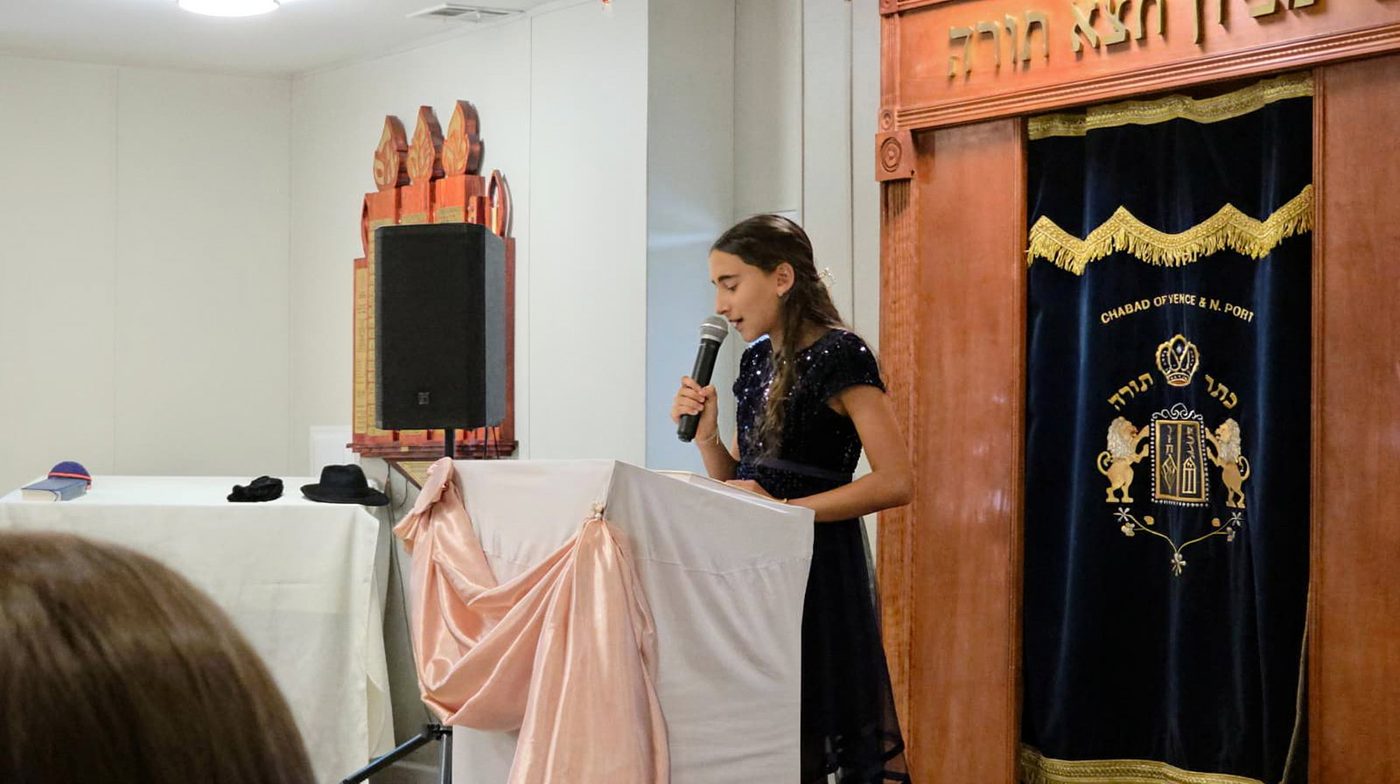

At twelve and thirteen a Jewish child steps into their own mitzvot. We prepare them for the day, and we host the celebration.
Until this birthday a Jewish child keeps the mitzvot the way they keep a family name — because they were born into a home that does. On the morning of a boy's thirteenth Hebrew birthday, and a girl's twelfth, that shifts. The mitzvot become their own: their obligation, their merit, their choice to make every day after.
Which is why the preparation is not a rehearsal for one morning. A child who has learned to read from the Torah has learned something they will use at forty. A girl who has learned Eishet Chayil word by word has been handed a picture of the woman she is becoming. We spend the months on the day, and we spend them on everything after it.
“This milestone is only the beginning of Jewish life.”
Your child meets regularly with their own teacher, here at Chabad, and works through the curriculum at their own pace. What is in that curriculum depends on which of these two days we are getting ready for.
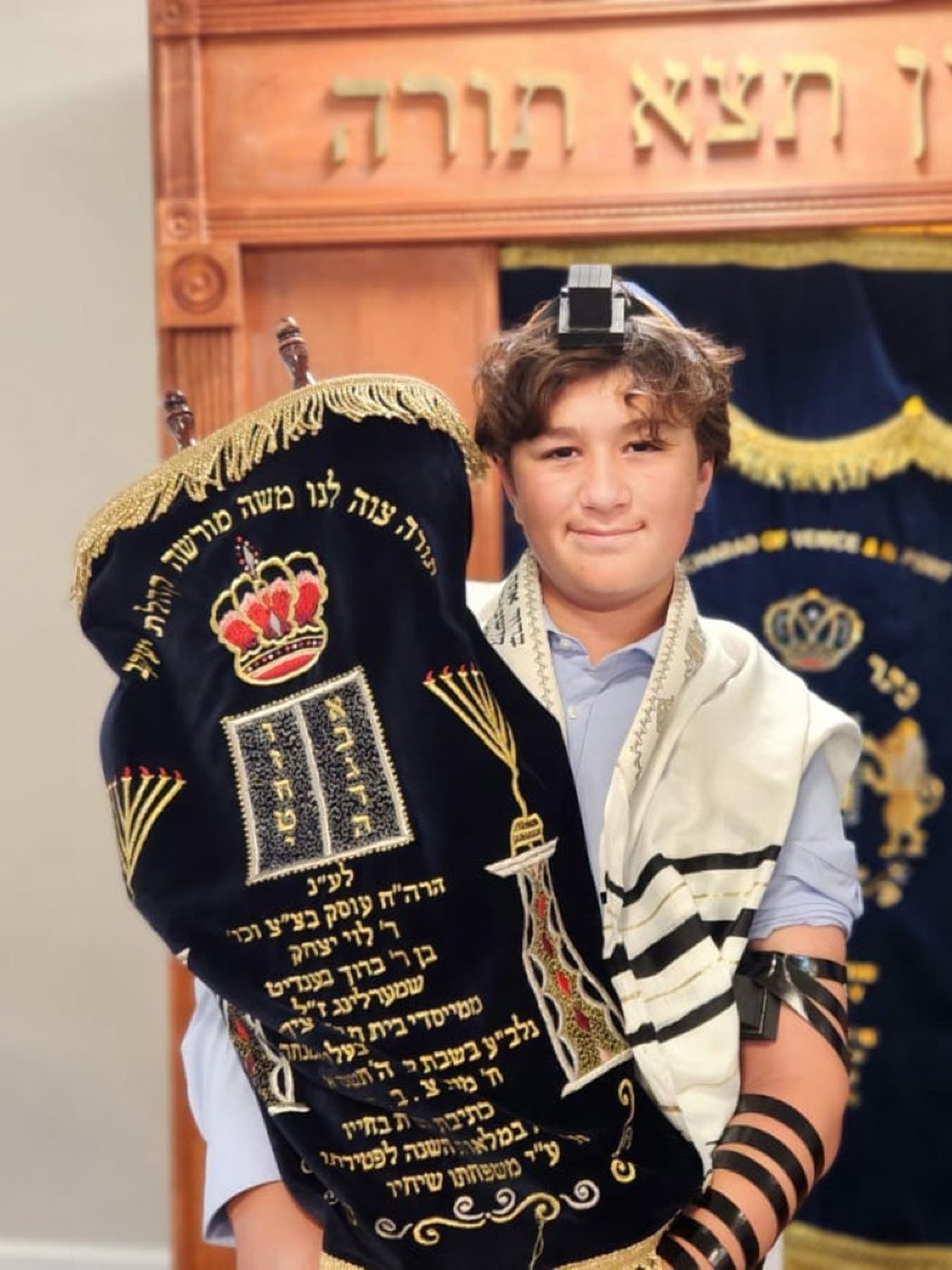
Most boys choose to read from the Torah — the words, the melody, and enough practice that the morning itself feels familiar. It is an option, not a requirement.
How to put them on, what is written inside them, and the blessing. This is the mitzvah that begins at thirteen and repeats every weekday morning after.
What to say before the reading and after it, and what is happening around him while he says it.
Mitzvot as his own responsibility rather than his parents' — and what that looks like on an ordinary Tuesday.
A few minutes in his own words, written with the Rabbi. Nobody hands him a page to read.
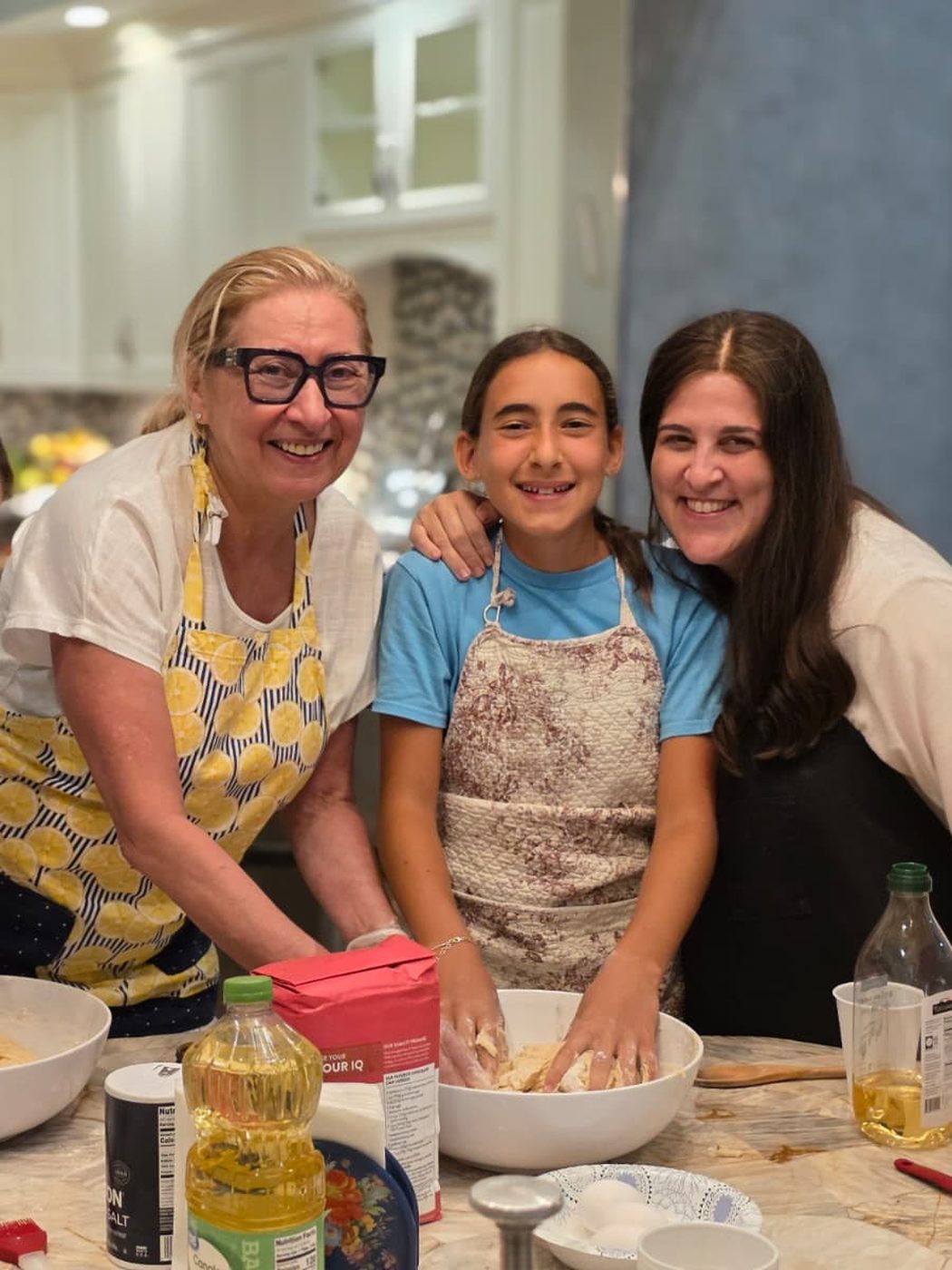
The passage from the end of Proverbs, sung at Jewish tables on Friday night for centuries. She learns it, unpacks what it is actually praising, and presents it at her celebration.
Shabbat candles and challah among them — the practices a Jewish woman carries, taught as things to do rather than things to know about.
Finding her way around the Siddur, so a service is a place she knows how to be.
Jewish women across history who each did something nobody else was going to do, and what twelve asks of her.
A few minutes in her own words, written with Chaya Rivka. Hers, not a template.
There is no single right timeline — we build it around your date. This is the shape it usually takes.
Tell us the child's Hebrew birthday and what you have in mind. We work out the date together and pair your child with their teacher.
Regular meetings at Chabad, working through the curriculum at your child's pace — not a class, and not a queue.
The reading, the speech, and standing where they will actually stand, until none of it is a surprise.
Family and friends at Chabad, the room set for your guest list, and a child who is ready.
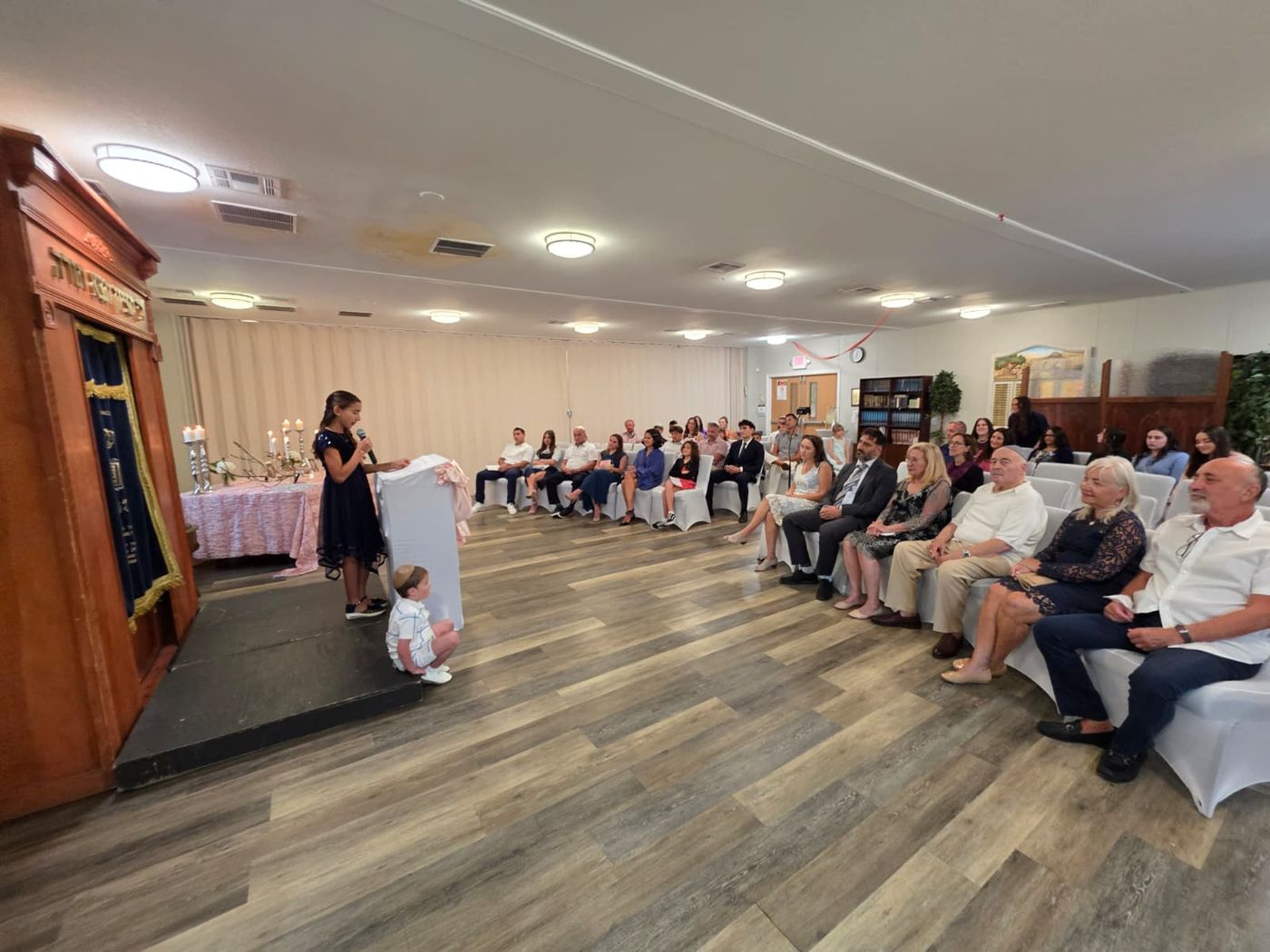
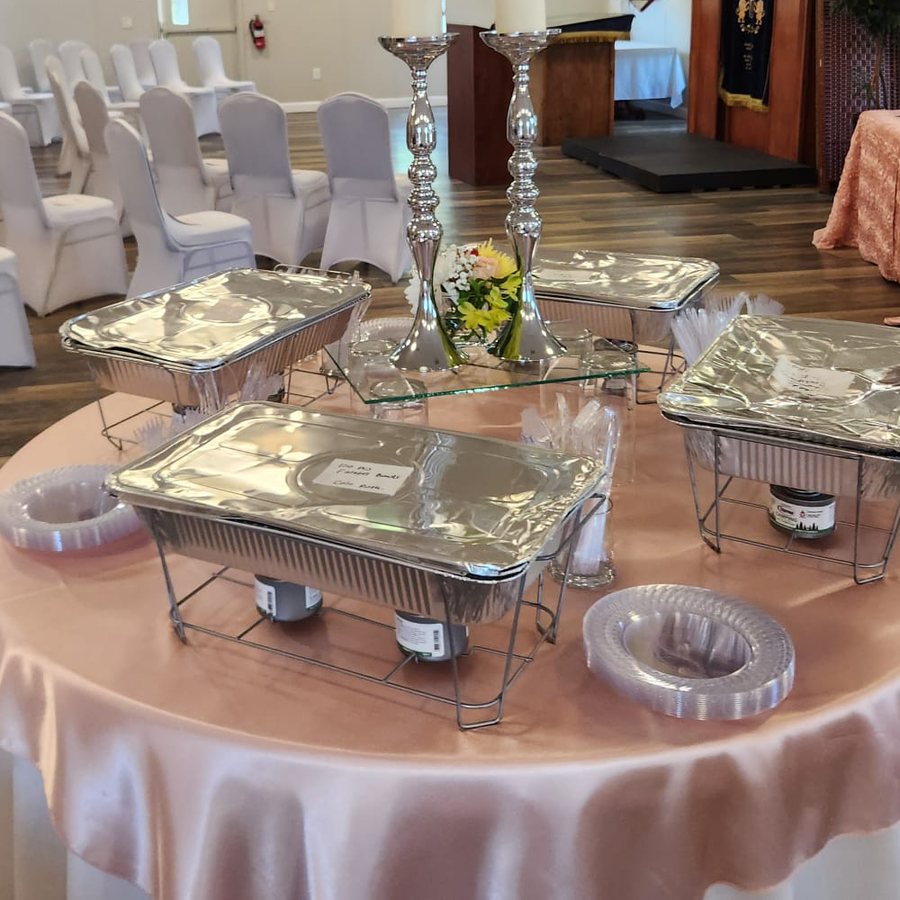
The celebration is held here. We set the room up for your guest list, and family and friends are invited — most families hold it as its own evening or a Sunday afternoon, and some mark the morning itself at services. The shape of the day is yours; tell us what you are picturing.
Most celebrations are catered by Kosher Central, who know the kitchen here and know what we need from a menu. Another kosher caterer can be arranged if you would rather — just raise it early.
Tables, chairs and the layout arranged for your guest list before your first guest arrives.
Usually Kosher Central. Another kosher caterer can be arranged.
For a boy reading from the Torah, and for a family who wants the morning marked at services.
By the day itself, your child's teacher has spent months with them. Nobody is a stranger at the front of the room.
No. This is open to any Jewish family — whether you have been coming for twenty years, found us last month, or are coming in from out of town for the date. There is no enrollment to complete first.
Plenty of children start exactly there, and it is not a reason to put this off. Tell us where your child actually is and the lessons get built around that rather than around an assumption.
No. Many boys want to, and the preparation makes it very doable — but it is a choice, and a bar mitzvah is no less a bar mitzvah without it. The day belongs to the boy, not to a checklist.
The passage that closes the book of Proverbs — twenty-two verses, one for each letter of the alphabet, in praise of a woman of valour. Jewish families have sung it at the Friday night table for centuries. Girls learn it, understand it, and present it at the celebration.
It is never too late, and this comes up more often than you would think — including with adults who never had one. Call and let's talk about what would feel right.
Thirteen is when tefillin begin, so a pair of his own is the natural gift for the occasion. We can help you get a kosher, hand-written set, and if cost is the obstacle that is a quiet conversation with the Rabbi, not a dead end.
About tefillinRabbi Sholom Schmerling. Use the form below, or call the office on (941) 493-2770 and ask for him.
A few lines is plenty to get started — the date can still be loose. Rabbi Sholom will get back to you, and the first conversation costs nothing and commits you to nothing.
Would rather just talk? Call (941) 493-2770 and ask for Rabbi Sholom.
Ages 5 to 13, Sundays — where most of our bar and bat mitzvah kids come from.
What they are, how to put them on, and how to get a hand-written pair.
The Shabbat schedule, and how a kiddush luncheon is sponsored.
What comes next — the teen network, grades 8 through 12.
